In the today’s corporate environment, high productivity, accuracy, and customer satisfaction are of the utmost importance. At the base of all these requirements is operations management, the function that ensures that everything from manufacturing to delivery works efficiently. Operations management is the engine that powers successful businesses, and focusses on streamlining supply chains, improving quality, or ensuring better resource allocation.
While the theory for operations is well-established in textbooks, its applied implementation in real enterprise situations often has a steep learning curve. Bridging the gap between classroom know-how and practical application is important for future-ready professionals. Let’s explore the important transition from theory to practice in operations management and why it matters for future leaders.
Operations management is the process of planning, organising, and managing of the production and delivery of goods and services. It covers an extensive range of functions, including:
Originally part of manufacturing, operations management has progressed to include service-based businesses, technology platforms, and worldwide supply networks. The end goal always remains the same, which is to create value by delivering products and services effectively and efficiently.
In classroom settings, students study well-known frameworks such as Six Sigma, Lean Management, Just-In-Time (JIT) inventory systems and Total Quality Management (TQM). These theories and models deliver a vigorous conceptual foundation. Nevertheless, real corporate environments are rarely as predictable or structured as textbooks imply.
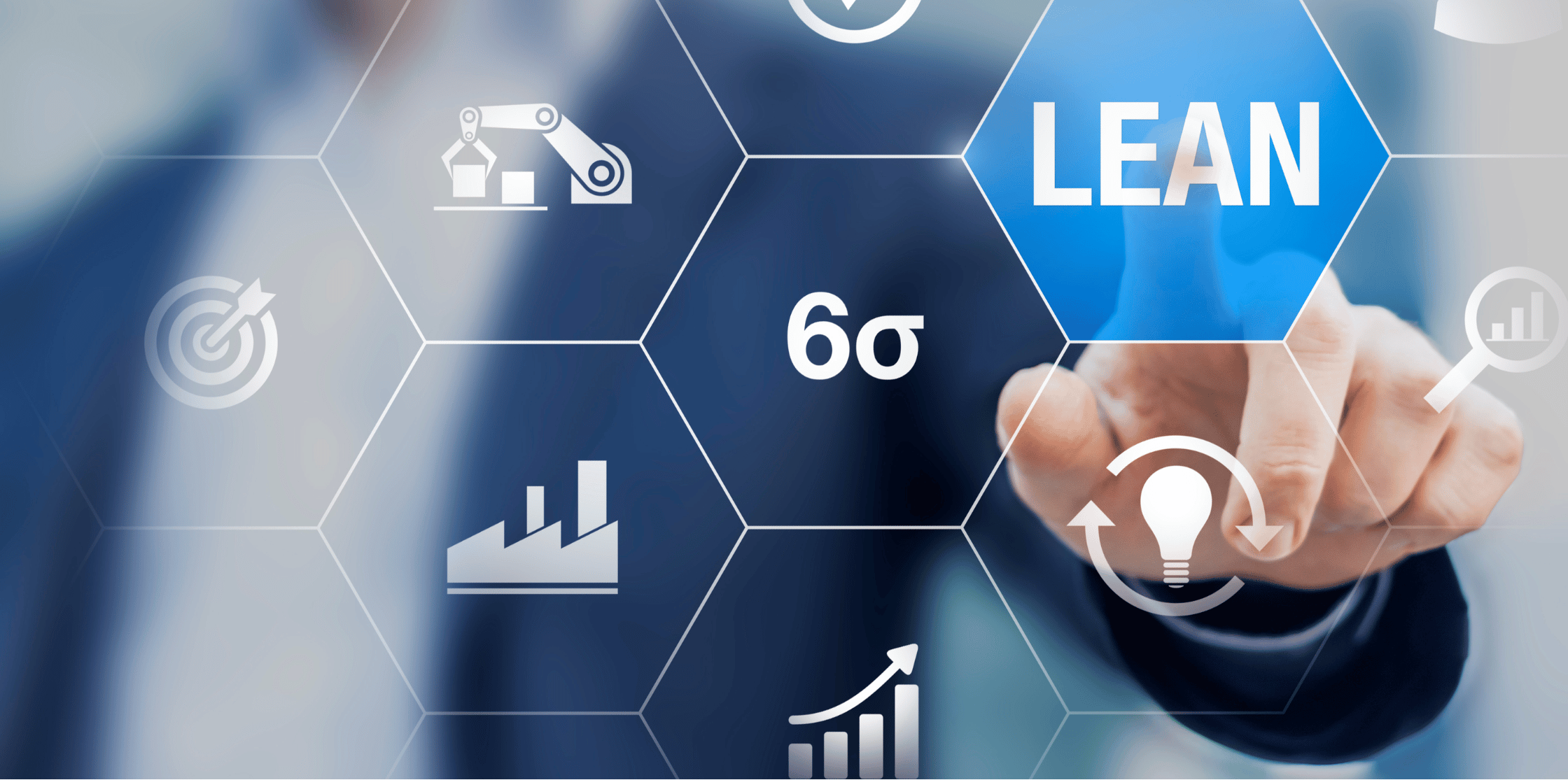
For instance, while the purpose of Lean principles is to eradicate waste, managers on-ground must also navigate changeable consumer demands, variable supplier delays, and workforce related challenges. Applying theory in such complex situations requires adaptability, critical thinking and hands-on experience.
Theoretical tools are very valuable, but without real-world application, they continue to be just tools. How to apply these tools and a deeper understanding of the practicalities of operations management allows professionals to:
If we look at the COVID-19 pandemic, many companies struggled to respond to real-time disruptions, even though they had robust supply chain strategies on paper. Those with experience-driven and agile operations teams were able to adapt faster, maintain service levels, and even innovate better efficiencies in their processes.
To successfully connect classroom learnings with industry practices, management education must adopt an experiential approach, such as:
Let’s look at Amazon’s worldwide dominance, which is a classic case of how agile and strategic operations management can ensure success. Every day, the company delivers over 1.6 million packages in USA itself, driven by its unwavering attention on efficiency, speed, and customer satisfaction.
Amazon uses an extremely sophisticated operational model that integrates advanced warehouse automation, data-driven forecasting, and real-time inventory management. Its fulfilment centres use AI and robotics to sort, pack, and dispatch goods with low involvement of the human hand. This significantly drops their turnaround time.
Additionally, their operations strategy is also continuously evolving. Amazon invests heavily in predictive analytics to predict demand, reduce delivery time and augment consumer experience.
This blend of adaptive strategy and scalable systems shows how operations management becomes a core competitive advantage, when applied effectively.
Also read: What Makes Badruka’s PGDM Curriculum a Blend of Theory and Real-world Application?
At Badruka School of Management, the PGDM programme is planned not just to teach operations management, but to transform participants into capable, confident specialists who can lead in multifaceted, real-world environments. Through an experiential learning model, the programme combines a rigorous academic setting with relevant industry relevance knowledge. This guarantees students learn to actively apply whatever they are learning.
Classroom sessions are anchored in case-based learning, where industry scenarios challenge students to analyse operational dilemmas, think critically, and propose practical solutions. From day one, students are absorbed in live industry and social projects, which build subject knowledge and skills like adaptability, collaboration, and stakeholder communication.
To better prepare students, the programme also includes exposure to platforms and tools used by global organisation. This included analytics dashboards, enterprise software, or supply chain simulation tools, ensuring students are ready to engage with the technologies that are shaping the industry. Supporting this practical orientation is faculty with noteworthy industry experience, who enhance classroom education with insights pulled from their own operations and leadership roles.
During the programme, students are encouraged to develop a varied skill set that includes systems-level problem-solving, analytical thinking, process optimisation techniques like Kaizen or Six Sigma, and the ability to communicate and lead across teams. A strong footing in technology ensures they are able to work in data-rich, digitally driven environments with ease.
Badruka’s PGDM graduates are equipped to deliver quantifiable impact from their first day. This education prepares them to optimise processes, navigate uncertainty and lead operational strategies with confidence, with operational agility, efficiency, and innovation.
Learn more about Badruka’s PGDM Programme



.svg)

.svg)